
Quality Control Best Practices on Construction Sites
Quality Control on Construction Sites: Standards That Cannot Be Compromised
Quality control is the discipline that bridges the gap between design intent and built reality. On construction sites in Cameroon, where supply chain variability, subcontractor quality, and supervision challenges are common, rigorous quality management is the difference between a building that performs and one that fails prematurely. Effective quality control protects clients, workers, and the firm's reputation alike.
- Incoming material inspection and testing (cement, rebar, aggregate)
- Concrete mix design verification and cube testing
- Reinforcement placement checks before casting
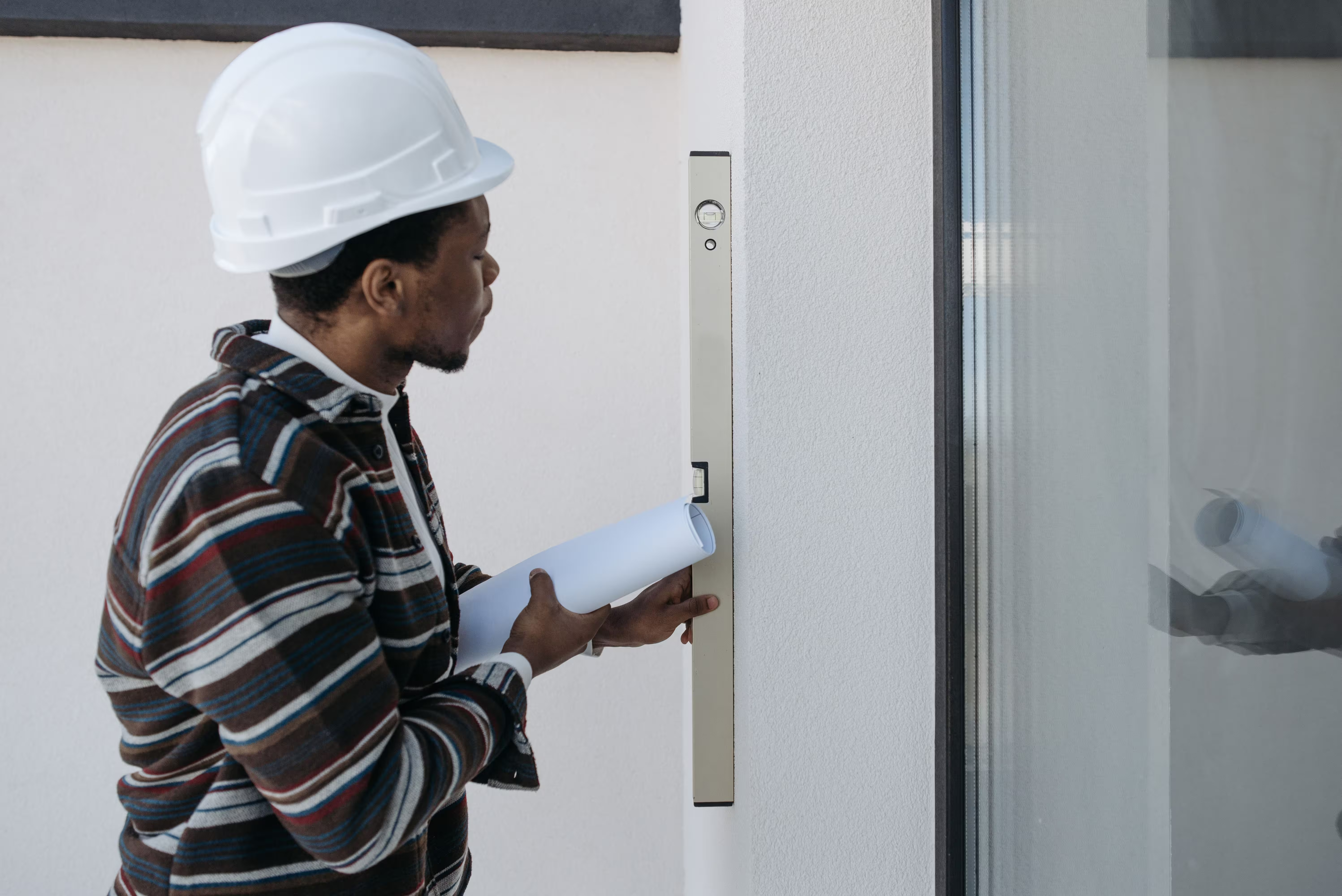
- Dimensional checks against approved drawings
- Waterproofing inspection at critical interfaces
- Documented non-conformance reporting and resolution
Quality control is not a final inspection — it is a continuous process embedded throughout construction. The most effective QC programs identify deviations early, when correction is still straightforward and inexpensive. Waiting until completion to check quality invariably results in costly remediation or, worse, acceptance of defective work.

Testing and Documentation Create Accountability
Every test result, inspection report, and non-conformance record creates a traceable quality file for the project. This documentation protects all parties — it demonstrates due diligence to clients, provides evidence for dispute resolution, and serves as the basis for future maintenance planning.
A Quality Culture Starts at the Top
Site supervisors set the tone for quality on every project. When leadership treats standards as non-negotiable and responds swiftly to deviations, site teams follow suit. Quality culture cannot be imposed through checklists alone — it requires committed, knowledgeable supervision present at every stage of the build.
Quality Control / Building Safety / Construction Tips