
Real Estate Investment in Yaoundé: What You Need to Know
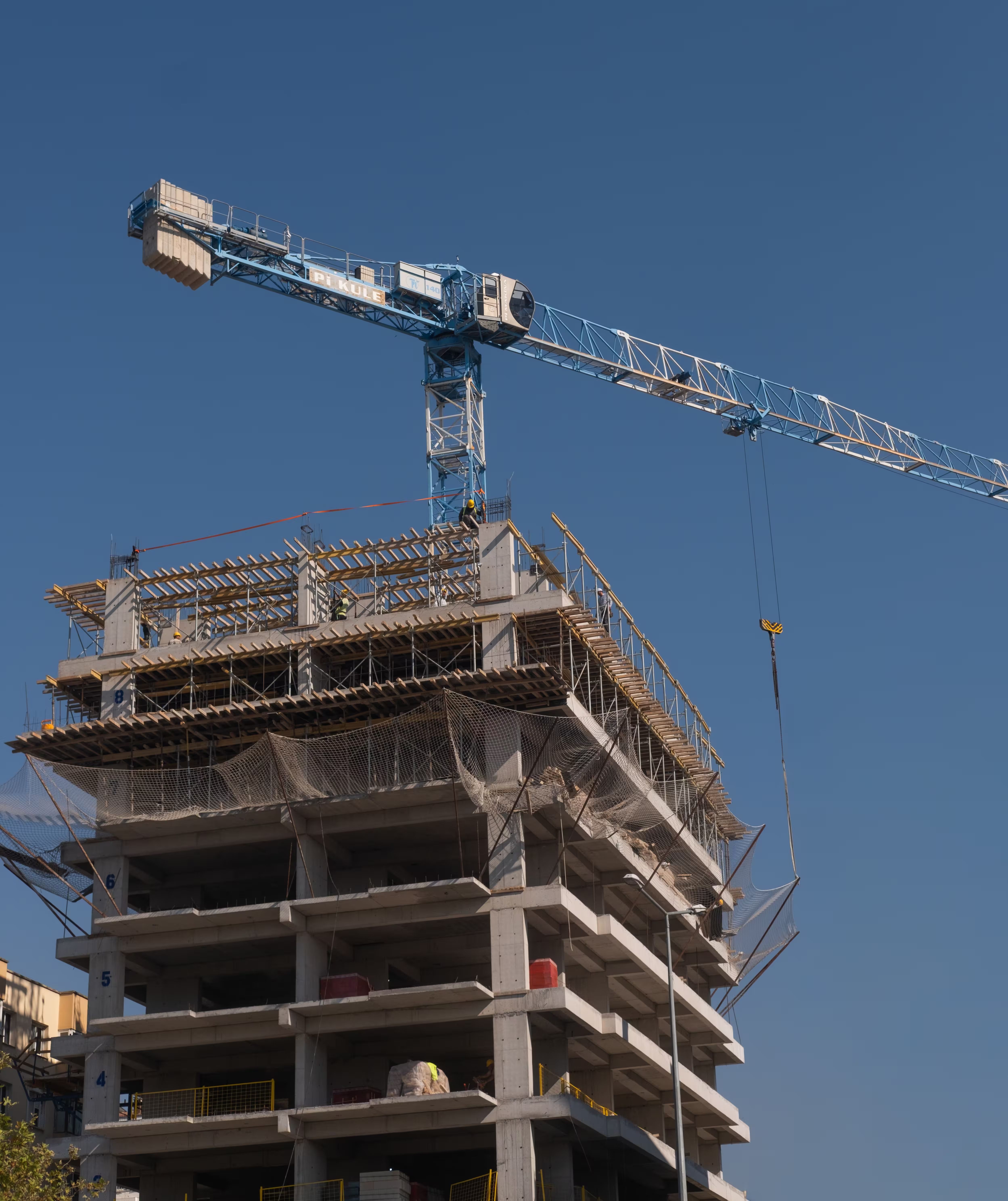
Real Estate Investment in Yaoundé: Opportunities and Risks
Yaoundé's real estate market has demonstrated remarkable resilience and growth over the past decade. Driven by a growing professional class, increasing expatriate demand, and sustained government investment in infrastructure, the capital city offers compelling opportunities for both residential and commercial property investors. However, the market's complexity requires careful analysis before committing capital.
- Verify land title and ownership documentation thoroughly
- Assess neighborhood infrastructure and service levels
- Evaluate rental yield potential versus capital appreciation
- Understand applicable taxes, fees, and transfer costs
- Engage a local legal advisor for comprehensive due diligence
- Model scenarios for construction cost and timeline overruns
The most successful investors in Yaoundé's market combine thorough due diligence with local expertise. Understanding neighborhood dynamics, future infrastructure plans, and typical construction costs for the area gives investors a realistic picture of returns and risks before any commitment is made.
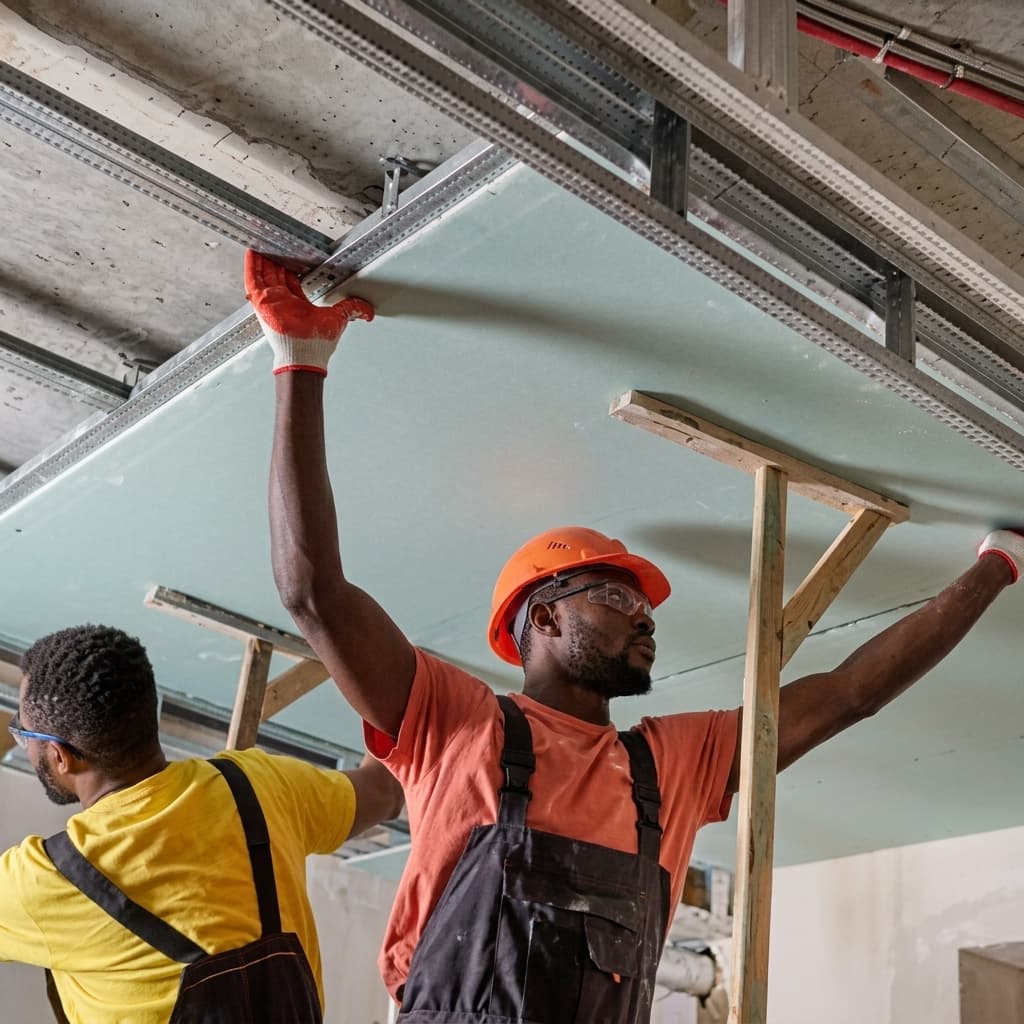
Residential Development Remains the Most Active Segment
Demand for quality housing in Yaoundé consistently outpaces supply, particularly in the middle to upper-middle income segments. Developers who can deliver well-built, well-located residential units — villas, apartment blocks, and mixed-use developments — typically achieve strong occupancy rates and reliable rental income.
Site Selection Determines Long-Term Value
In Yaoundé's hilly topography, site selection involves evaluating both accessibility and geotechnical suitability. Plots on steep slopes require higher engineering costs and may face water drainage challenges. Well-serviced, accessible land in growing neighborhoods offers the best balance of development cost and long-term market value.
Budget Management / Project Planning / Design Strategy