




The Future of Green Architecture in Africa
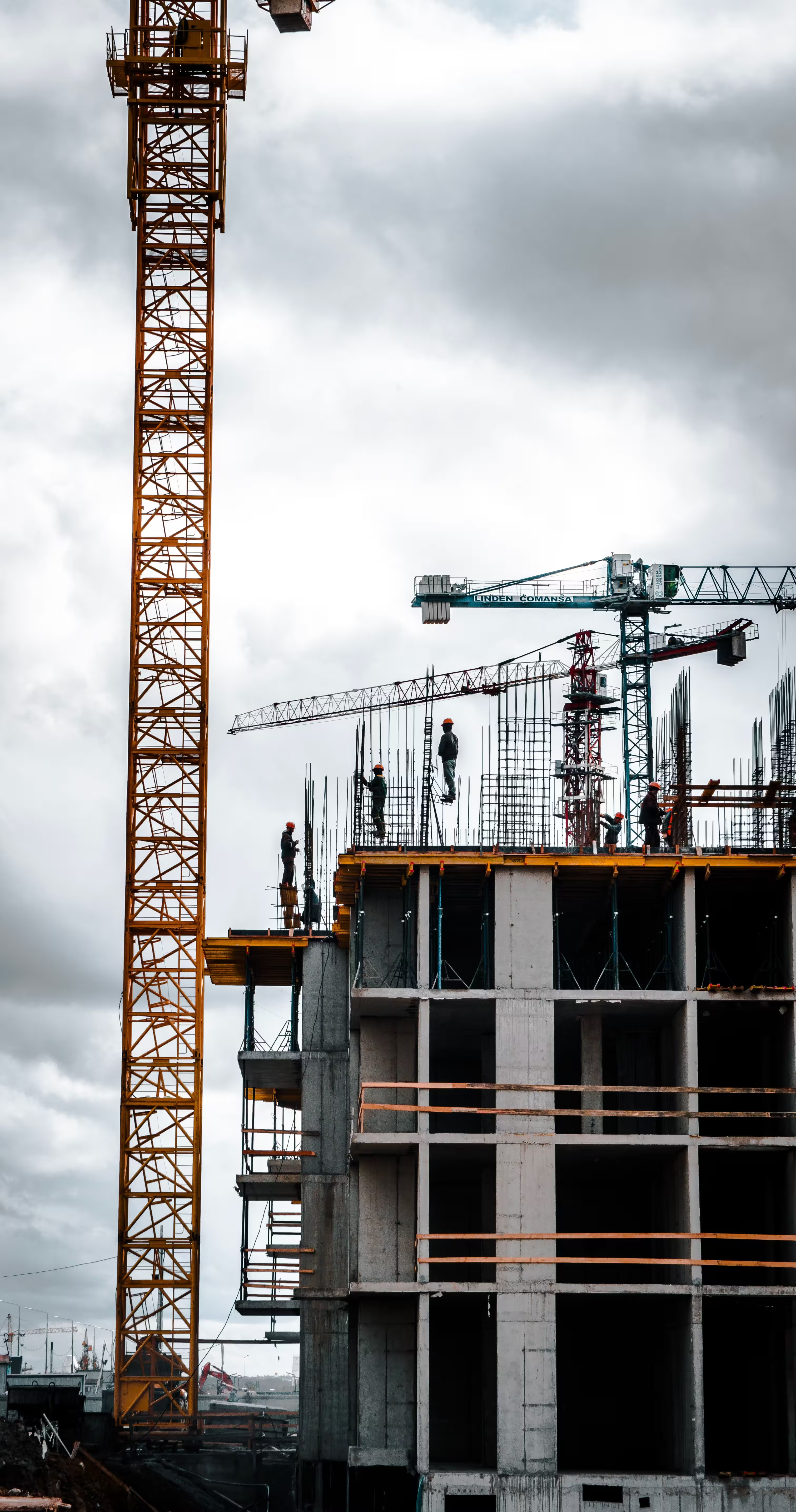
Africa stands at a pivotal moment in its architectural and urban development story. With much of the continent's built environment still to be constructed, there is a unique opportunity to leapfrog outdated, energy-intensive building models and embrace green architecture from the outset. Countries like Cameroon, with rich natural resources and growing technical capacity, are well positioned to lead this transition.
- Bioclimatic design adapted to tropical and equatorial climates
- Integration of renewable energy systems at the design stage
- Low-embodied-carbon materials and construction processes
- Water efficiency through greywater recycling and harvesting
- Nature-based solutions: green roofs, urban trees, permeable paving
- Green building certification pathways adapted for African contexts
Green architecture in Africa is not about importing European or North American models unchanged. It is about synthesizing modern sustainable design with local climate knowledge, cultural building traditions, and available materials. The most compelling examples blend innovation with a deep rootedness in place.


Training the Next Generation of Green Architects
Cameroon's engineering and architecture schools are beginning to integrate sustainability principles into their curricula. Professional development programmes offered by international bodies are also reaching practitioners on the continent. The knowledge gap between aspiration and capability is closing, though more investment in training is urgently needed.
Policy and Finance Must Support the Green Transition
Regulatory frameworks that reward sustainable construction through streamlined permitting, tax incentives, or green mortgage products accelerate adoption far more effectively than voluntary programmes alone. As climate finance expands globally, Cameroon has a genuine opportunity to access international funding for sustainable urban infrastructure.
Tags
- Design Strategy
- Building Safety
- Construction Tips


